GTRK / CLIENT + CLI
Talk your filminto shape
Leave behind frame-by-frame pushing and pulling on a timeline. Describe what you want inside your own AI agent, watch the project take shape in the client, and export to CapCut or Premiere whenever you want the fine cut.
- Windows client
- Cross-platform CLI
- MIT open source
- Sign in to start, free credits included
Pipeline overviewThe whole path in two and a half minutes: ask in the agent, watch the project form in the client, export for the fine cut.
01 / TALKING-HEAD EDITING
From raw footage to a finished piece
You do the talking; it does the repetitive work
You talked to the camera. The footage has retakes, slips and long pauses. This workflow turns it into an editing project you can open and keep refining: rough cut, pictures, title cards, subtitles, every step still editable on the timeline.
How the chain works
- Rough cut: remove filler, retakes and long pauses; re-time the rhythm from the script's punctuation
- Picture: split into beats, lay B-roll, stack motion graphics, add music
- Deliver: subtitles and covers, or export to CapCut or Premiere for the fine cut
Nine raw-to-finished pairs. Each card shows the raw footage above and the finished piece made from the same material below; open a card to compare.
02 / LONG TO SHORT
Cut long footage into highlight shorts
It listens to the whole thing for you
Podcasts, panels, interviews, stream replays: hours of footage with a few moments worth posting on their own. It listens to everything, cuts each topic worth publishing into its own short project, and runs landscape and portrait versions.

Highlight 1 · 16:9 · 0:45
Highlight 1 · 16:9 · 0:41
Highlight 1 · 16:9 · 4:31
How the chain works
03 / NARRATION
Explain something long to an audience
Long-to-short lets the footage speak; narration lets you speak for it
Film, games, restaurant visits, travel, essays: give it one long piece of footage or a whole folder, get back a narrated project. It watches the footage, writes the script, asks you to confirm once, then voice-over, pictures, title cards, music and subtitles run automatically.
How the chain works
- Watch the footage: index it and understand what each clip shows
- Write and confirm once: script, aspect ratio, voice, music, subtitle style
- Voice-over, pictures, title cards, music and subtitles run automatically
04 / ONE COMPLETE RUN
A high-quality mid-length video in two hours
Six steps to a finished piece, ending with covers exported in three platform sizes. Watch this one and you know what the whole pipeline looks like on a real project.

THE DETAILS
Every step editable, every layer on the timeline
What you get is never just an mp4. It is an editable project: pictures, title cards, B-roll, motion graphics and subtitles on separate tracks. Every change the agent makes refreshes in the client.
Text templates
115 title, subtitle, lower-third, chat-bubble and typewriter animations. One template fits landscape and portrait. Cards land in the project with the beat plan, each one adjustable.
The client after one-click subtitles: subtitles in frame, style panel open. 16:9, ≥ 1600px wide, webp.
public/gtrk/slots/subtitle-panel.webpOne-click subtitles
Transcribe, split lines and lay them on the track in one sentence. Seven styles matching the cloud, fonts installed inside the app, subtitles carried into CapCut on export.
Client timeline with several B-roll candidate tracks above the talking-head track, track eye toggles visible. 16:9, ≥ 1600px wide, webp.
public/gtrk/slots/broll-candidates.webpB-roll laying
Describe the shot, search your own library or public stock, and candidates spread across tracks; toggle each segment with the track eye. Local footage only sends frames; the files never leave your machine.
THE DETAILS · II
Live particles on the track, projects that open anywhere
Client preview with a transparent particle (card or board) overlaid, particle track visible on the timeline. 16:9, ≥ 1600px wide, webp.
public/gtrk/slots/mg-particles.webpMotion-graphic particles
Transparent overlays for emphasis, full-screen boards for explanation. Particles enter the timeline as live HTML: scrub frame by frame, drag, tweak. Not baked video.
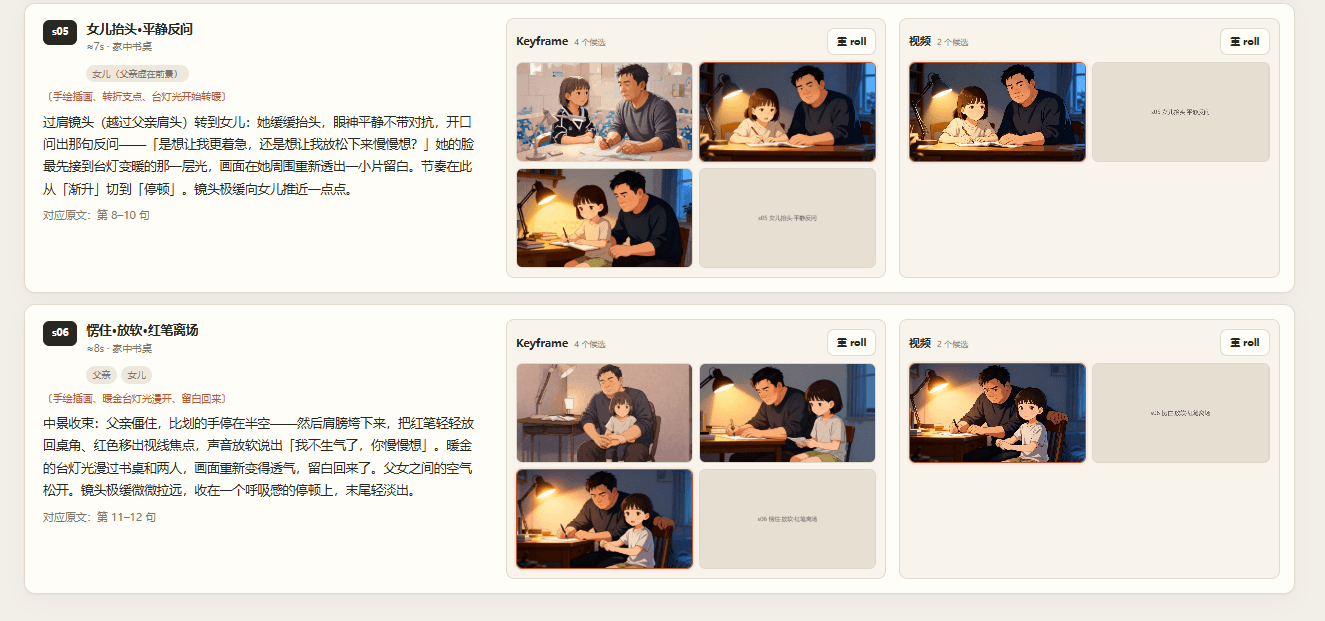
AI scene animation
Passages that call for a scene animation become four-part storyboards automatically. Feed them to the local desk or any AI video platform, then drop the shots back on the track.
The same “video project conversion” illustration as the cloud home page (structure_convertion.webp), shown whole, uncropped.
public/gtrk/slots/structure-conversion.webpProject interchange
One command converts a gtrk project to the client, CapCut, Premiere, Final Cut Pro or OTIO. CapCut drafts land in your draft folder, ready to keep editing.
- Gitruck client
- CapCut (Jianying)
- CapCut
- Premiere Pro
- Final Cut Pro
- OTIO
TOOLBOX
One input, one output
Thirty-plus single-purpose tools beyond the finished piece, same commands, same skills, ready when you need them. Matting, watermark removal, upscaling, frame interpolation, vocal separation, smart shot detection, one-click MAD…
Image to Video
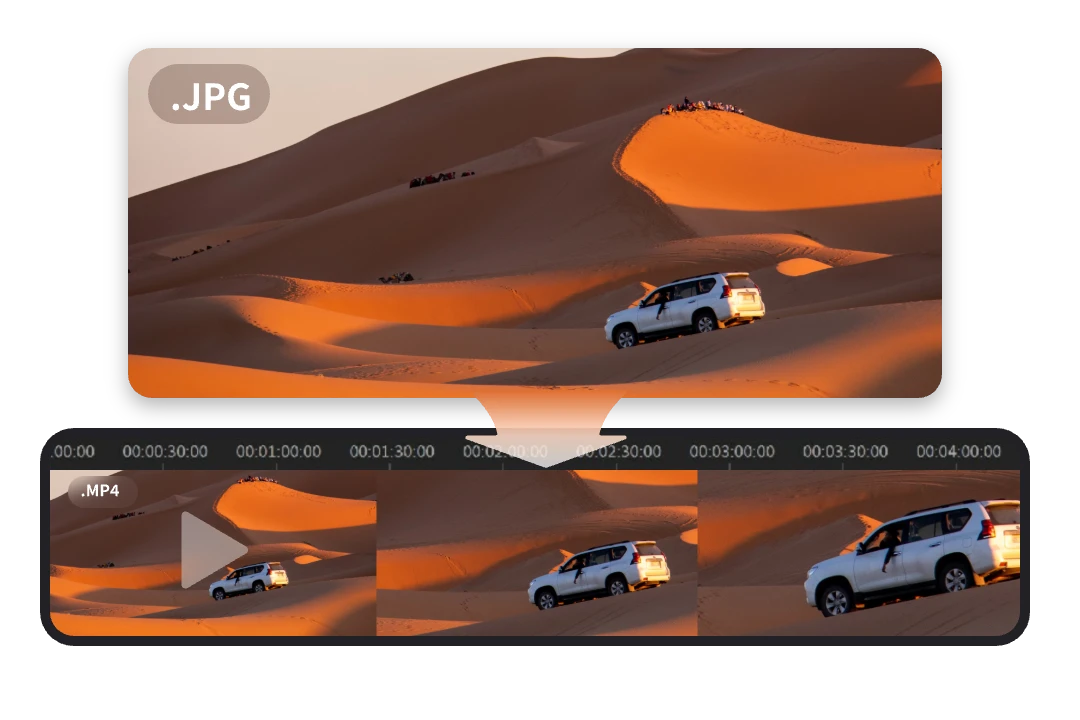
Works out the best push, pull, pan and tilt camera move for a still image and renders it as a video
Learn moreSmart Collage
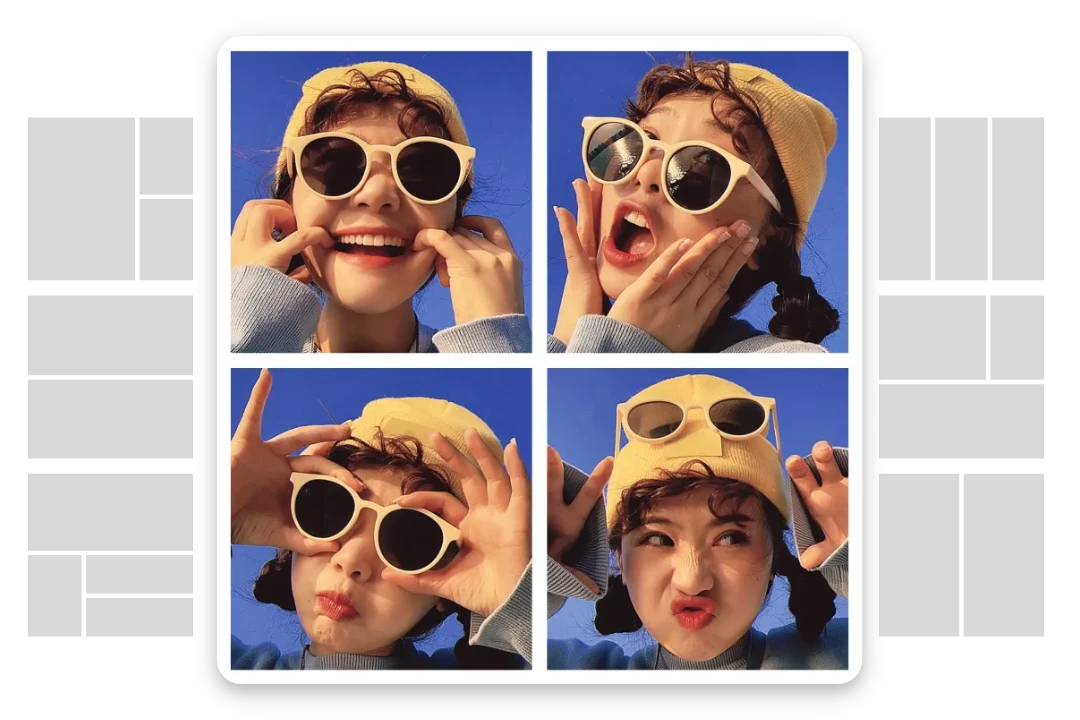
Feed in several images plus a title and subtitle; the best collage layout is computed for you and rendered as a polished graphic
Learn moreImage to Live Photo
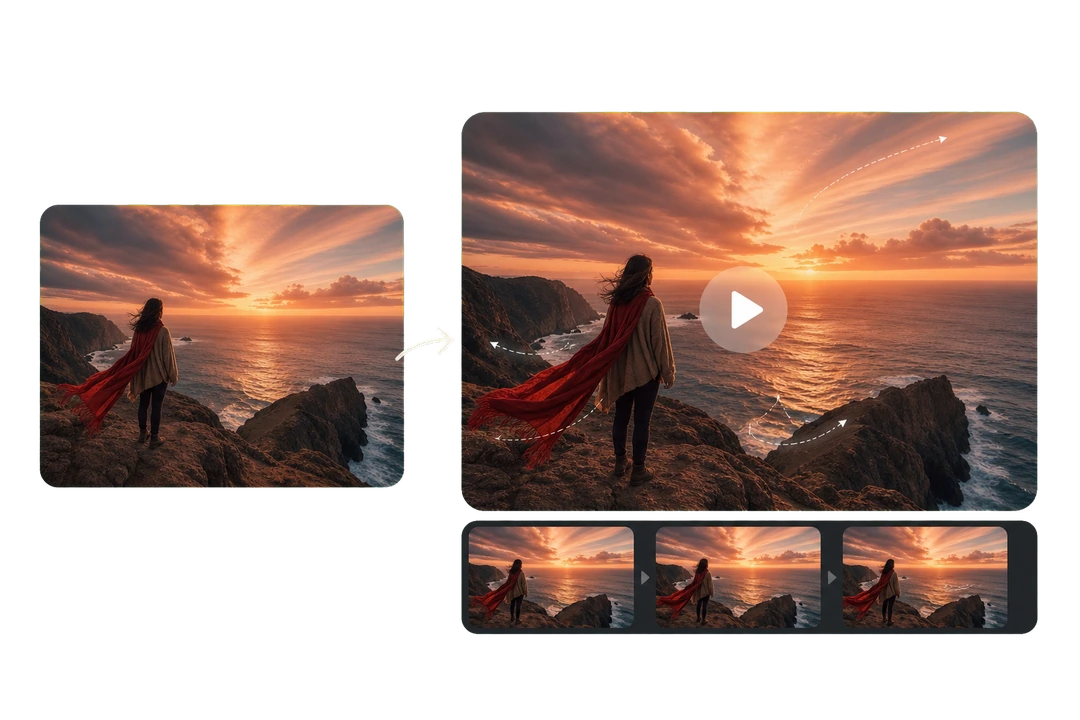
Turn a still image into a short video with natural micro-motion, adding life and depth to the original scene
Learn moreLong-to-Short Pro
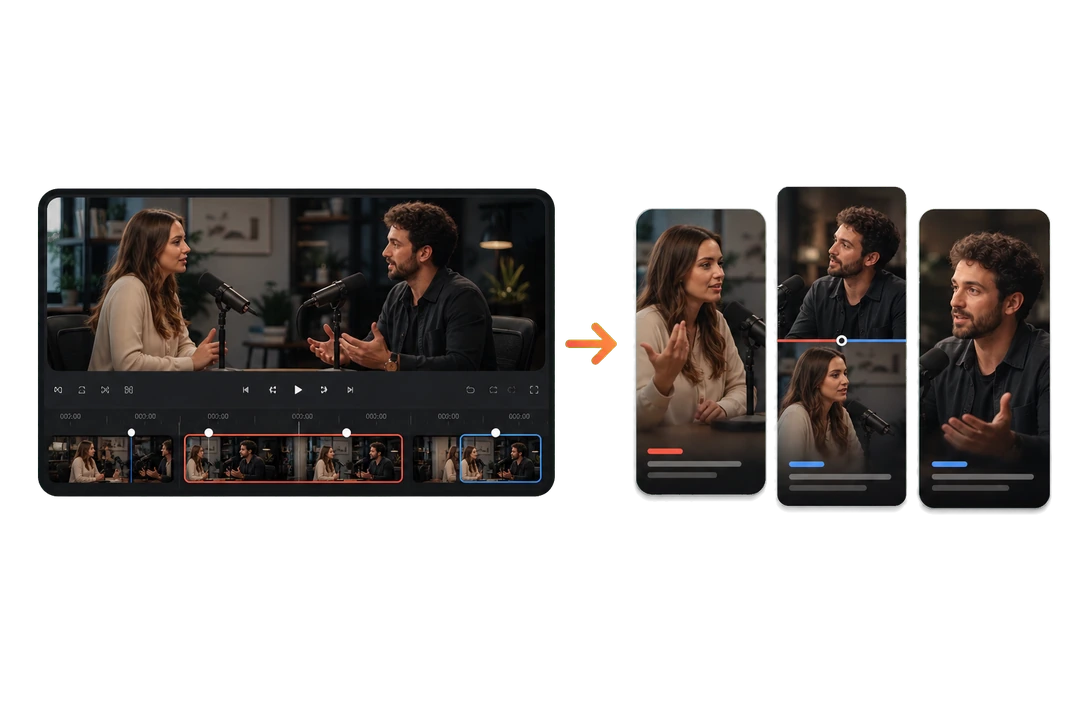
Extract multiple topical highlights from long videos and automatically add reframing, subtle camera motion, pacing and smart subtitles
Learn moreSmart Talking-Head Edit
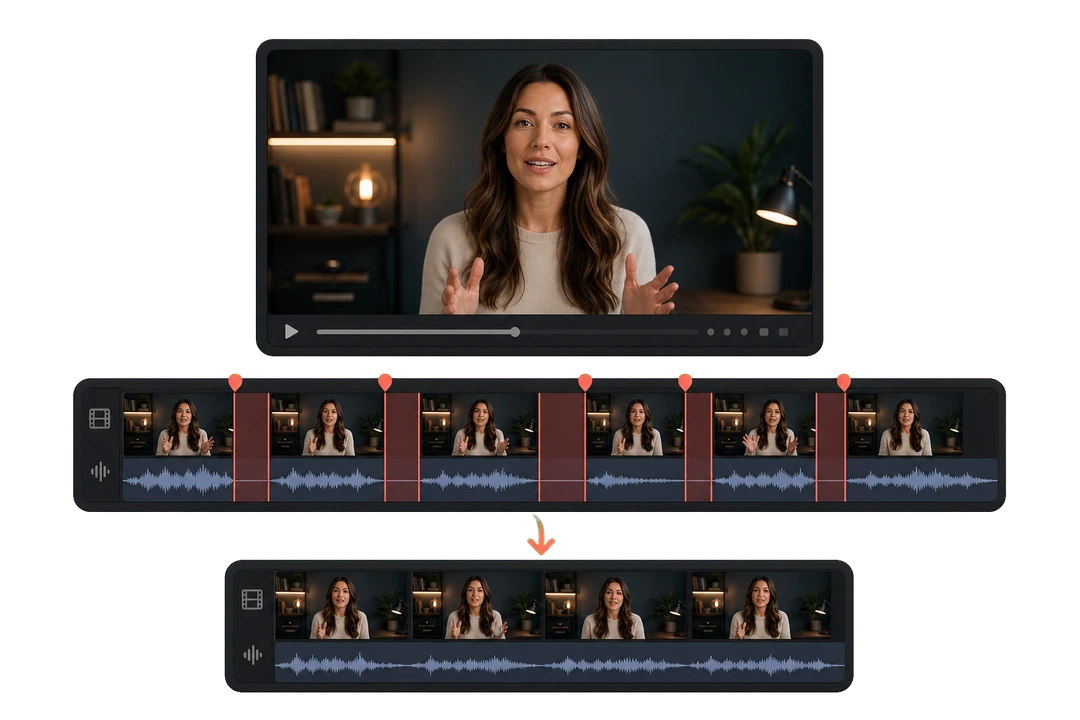
Remove mistakes, repeated takes and long pauses, then reshape pacing from the script to produce a fluent talking-head video
Learn moreSemantic Shot Segmentation
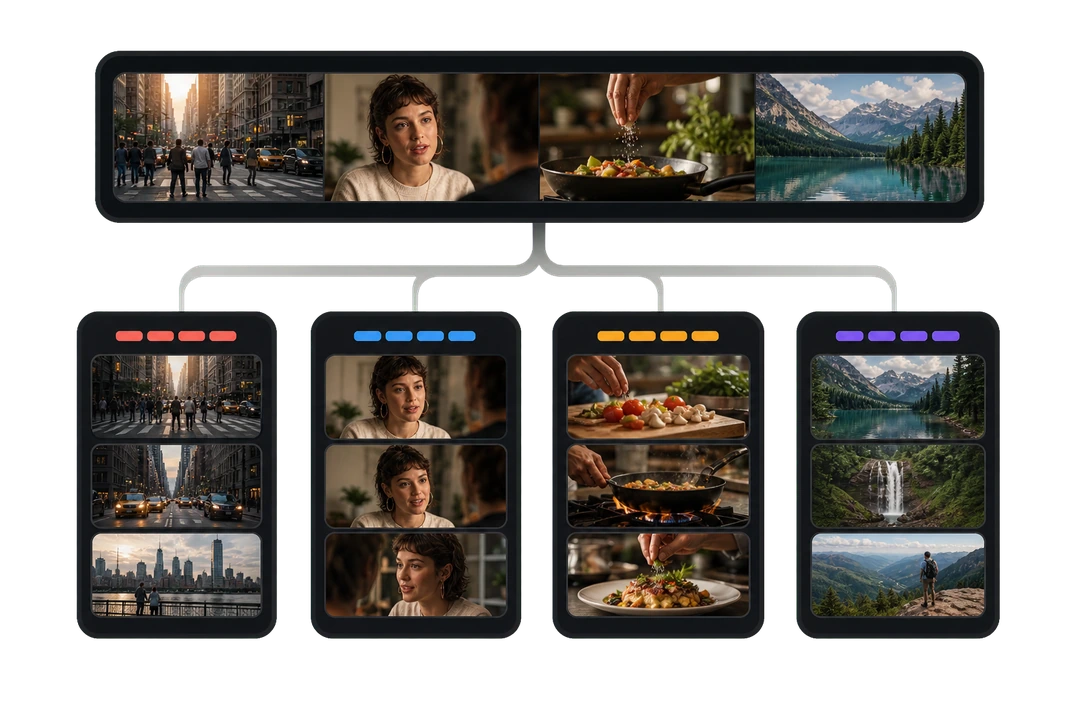
Use multimodal understanding to segment and organise shots by scene, shot type, narrative structure or subject
Learn moreSmart Split-Screen Layout
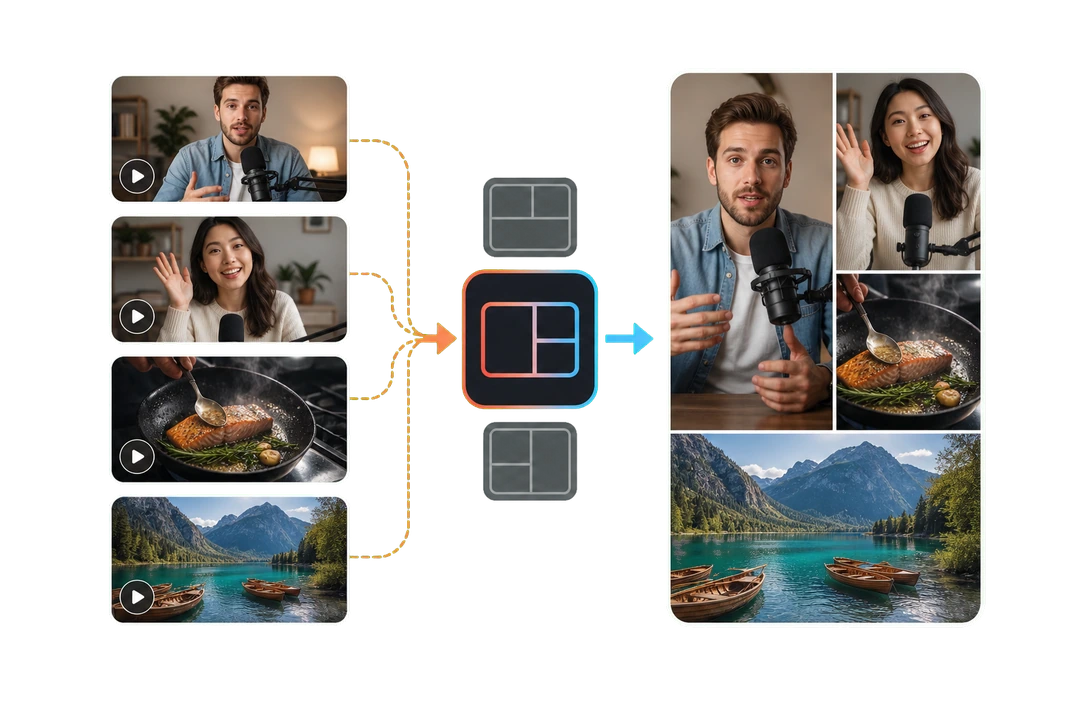
Crop and arrange 2–16 clips into reviewed split-screen templates for landscape, portrait or square output
Learn moreVisible Speaker Detection
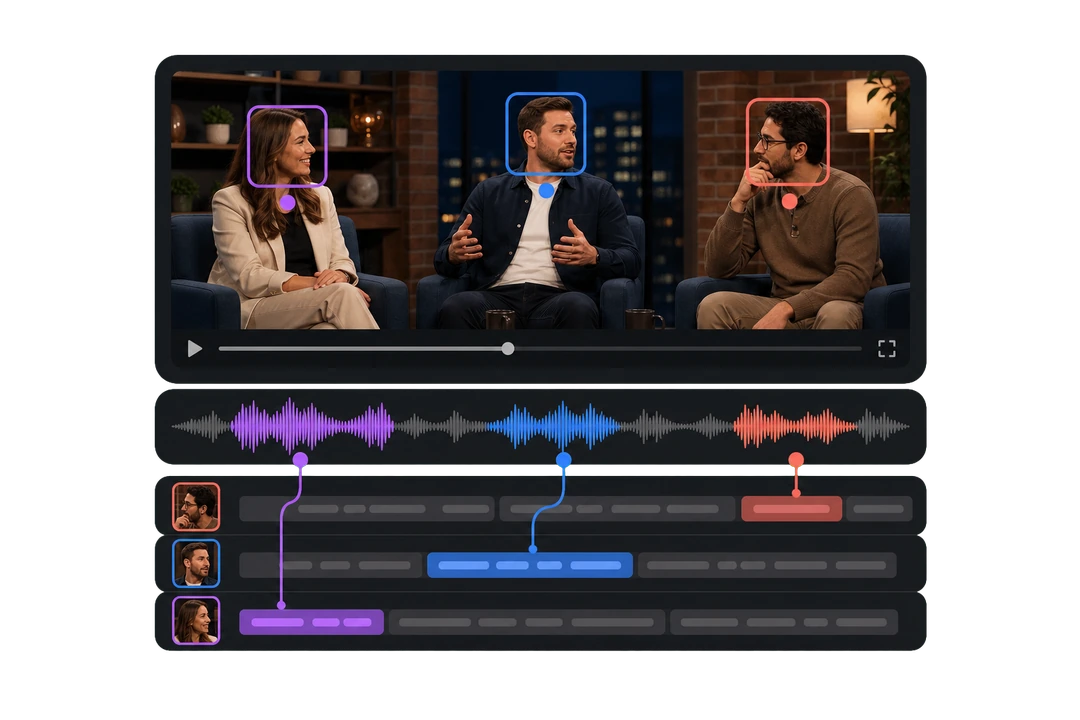
Combine speech recognition, visual tracks and sentence attribution to identify visible speakers and map dialogue to each person
Learn moreHTML Animation Compositing
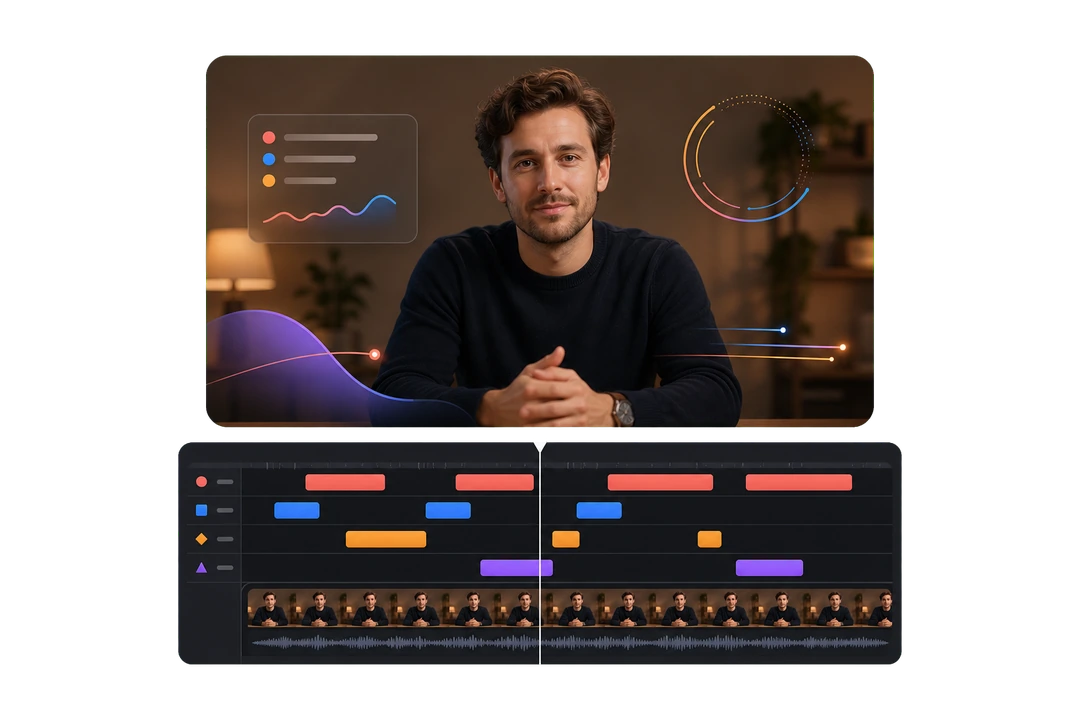
Overlay frame-seekable transparent HTML animation particles on a video track and render the complete composition directly
Learn moreMusic Visualiser
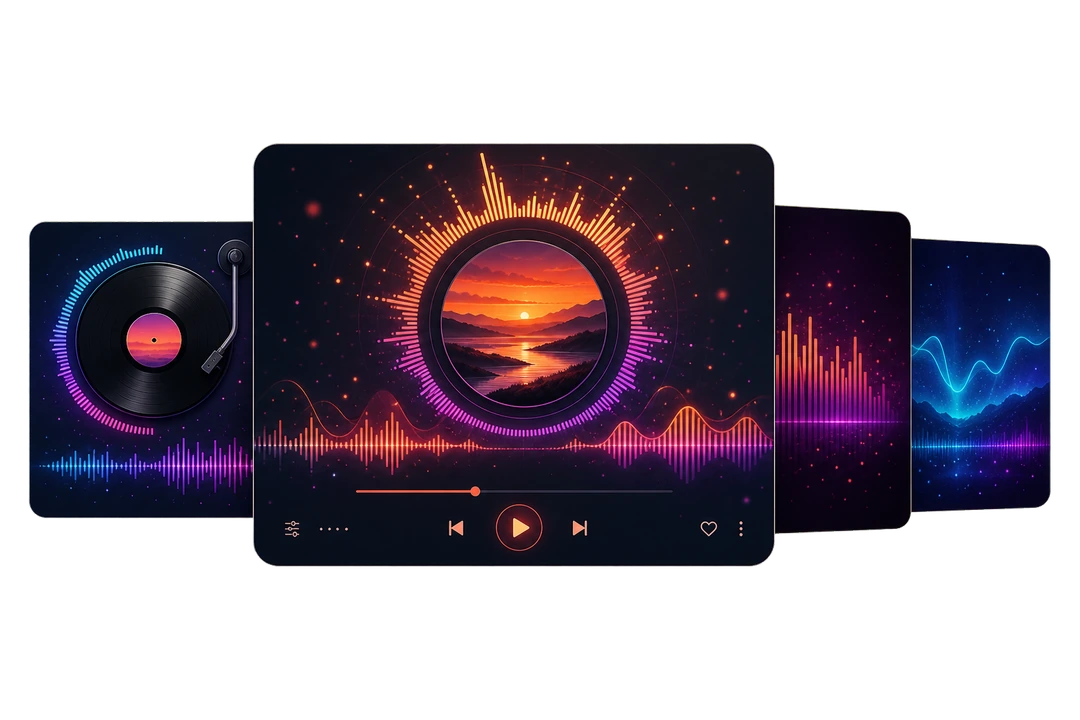
Analyse audio frame by frame to drive spectrum, waveform and cover animation for polished music-release videos
Learn moreVocal & Instrument Separation
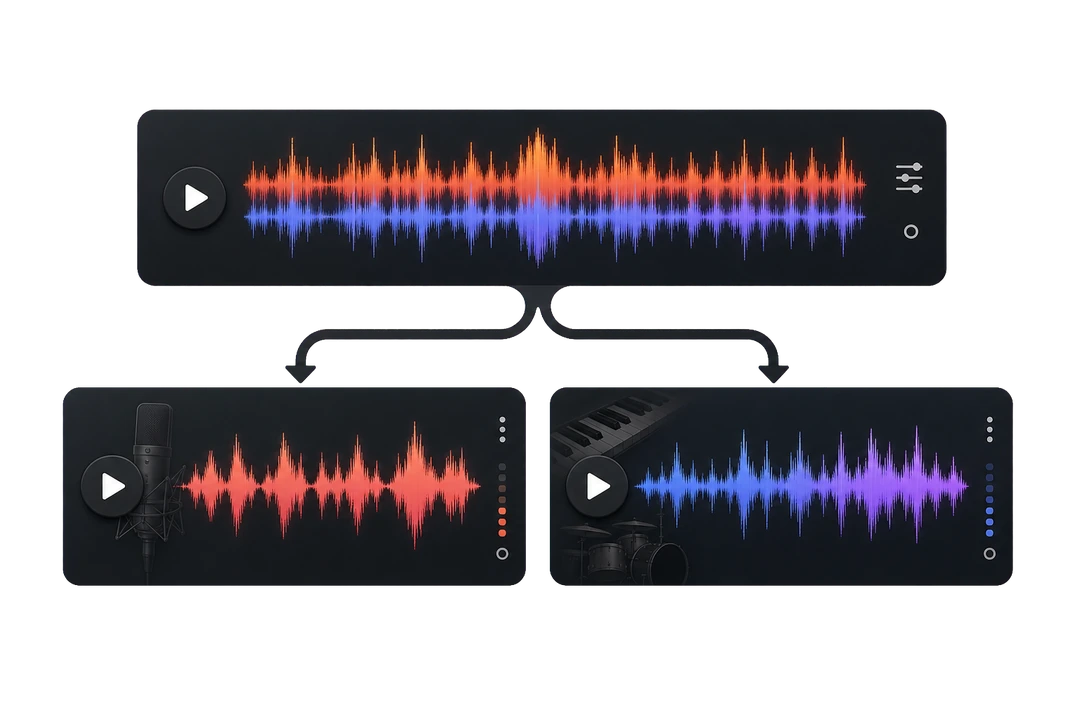
Separate vocals and accompaniment from a mixed recording and export high-quality tracks for independent use
Learn morePiano Audio to MIDI
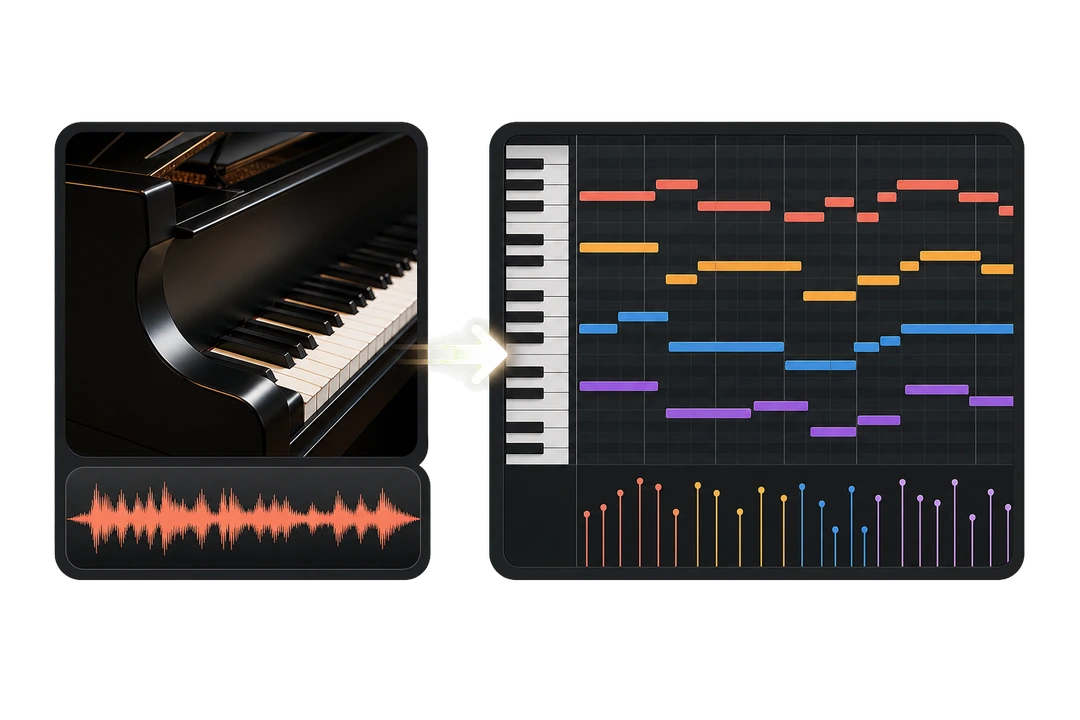
Transcribe solo or piano-led audio into MIDI for arrangement, score production, education and reuse
Learn moreVaporwave Filters
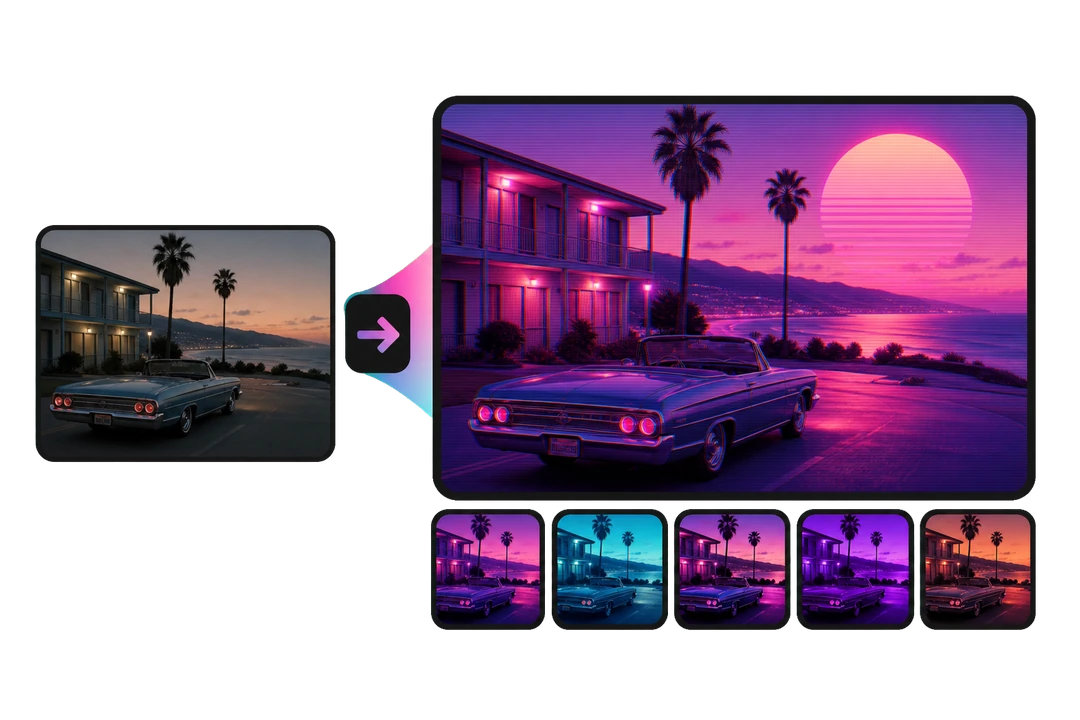
Apply reusable retro cyberpunk colour treatments and a distinctive Vaporwave texture to video footage
Learn more


GET STARTED
Three steps to your first conversation
- 01Copy the install prompt to your AI
Copy this prompt, paste it into Claude Code, Cursor or Trae and send it; the agent installs the CLI, config and skills for you. No commands to type.
- 02Restart your AI tool
Restart Claude Code, Cursor, Trae or similar so it picks up the new skills.
- 03Type a slash and say what you need
Type /gtrk-oralcut plus your editing request; the agent does the rest.
Talk in your agent, see it in the client
The client has no built-in chat box yet. You describe what you want in your own AI agent, the agent uses gtrk to build and change the project, and the client opens it for preview, tweaks and export. Every change refreshes in the client. Built-in chat is on the roadmap.
- Say it in the agent Open Claude Code, Cursor or Trae, call a gtrk skill or just describe the edit.
- See it in the client Open the project in the client to preview and fine-tune by hand.
- Keep talking Go back to the agent with more requests; the project refreshes. Export from the client when it's right.
One screen of Claude Code or Cursor with a /gtrk-oralcut request and the agent's reply. 16:9, ≥ 1600px wide, webp.
public/gtrk/slots/agent-conversation.webpFAQ
A few things to settle before you install
I can't type commands at all. Can I still use it?
Yes. Once installed you only talk to your AI assistant; you never type a command yourself. The command line exists for the AI and for advanced users.
Does it cost money?
Sign in on the site to activate it, with free test credits included. Image and video matting and one-click MAD are free for users; tools such as image motion cost credits, and the AI tells you the price before running.
Is the client Windows-only?
For now, yes; a Mac build is planned. The CLI is cross-platform: install it on macOS or Linux and your agent still produces projects, exported to CapCut or Premiere for the fine cut.
Will my original footage be uploaded?
Project-based editing keeps the source video local. By default only the extracted audio goes up, and a compressed proxy when needed; the project references local file paths. Tools that need cloud rendering, such as the long-to-short fine cut, do upload video; see each tool's notes.
Where do I open the resulting project?
The output folder contains client, CapCut and Premiere projects. The CapCut draft is placed in your draft folder automatically; open CapCut and it's there.
How long does one video take?
Quick mode turns a one-minute talking head into a finished piece in about 7 minutes; the full run (talking head, B-roll, motion graphics, subtitles and covers) was recorded at 54 minutes. Most of that is cloud rendering and retrieval; you only describe what you want.
Why is there no AI chat box in the client?
You talk in your own AI agent (Claude Code, Cursor, Trae and others). The agent builds and changes the project through gtrk; the client opens, previews, tweaks and exports, refreshing after every change. Built-in chat is on the roadmap.
It won't connect, or something errored. What now?
Tell the AI to run a check-up. It runs gtrk doctor, which verifies config, cloud connectivity, the CapCut draft folder and versions in one go, and tells you where it's stuck.
Can it use my own footage library?
Yes. One sentence searches your library or public stock semantically, lays the candidates into the project, and you flip between them with the eye toggle. Local footage only uploads sampled frames; the files never leave your machine.
How do I upgrade?
Say “upgrade gtrk”. It upgrades the CLI and refreshes the skills, keeping your config. With npx you're always on the latest version anyway.
Can I change subtitle styles and fonts?
Seven subtitle styles match the cloud presets, fonts install with one click inside the app, and subtitles travel intact into the CapCut export, where you can keep editing them.
Does it do vertical video?
Yes. Long-to-short renders a landscape and a portrait version, one text template fits both orientations, and the full run ends with covers in three sizes.
Got it? Go install one
MIT open source, sign in to start, free credits. One message to begin.